Request support on coordination, information management, capacity development or other education in emergencies areas.
Demande de soutien en coordination, gestion de l’information, développement des capacités et autres domaines de l'éducation en situation d'urgence.
لطلب الدعم في مجال التنسيق ، إدارة المعلومات ، تنمية القدرات أو في اي مجال من مجالات التعليم في مناطق الطوارئ
Solicitar apoyo en coordinación, gestión de la información, desarrollo de capacidades u otra áreas en educación en emergencias.

Haiti has been plagued by compounding humanitarian emergencies characterized by political instability, armed groups and violence. These crises have created protection risks for its population and forced mass displacement. At the end of 2024, over 1 million Internally Displaced Persons (IDPs) were recorded in Haiti, with more than half a million of them being children. Estimates show that nearly 1 in 8 children in the entire country are now internally displaced.
According to reports from the Haiti Education Cluster, the number of schools closed has increased to 959 as of the end of January 2025, up by 40 since July 2024, marking the intensifying impact of the crisis on education.
The Education Cluster’s response has focused on ensuring the coordination for the provision of pre-primary and primary education to IDP and host communities’ girls and boys, particularly in the West where the needs are most critical. In January, the response reached a total of 6,965 students in host schools.
Supported by the Global Education Cluster, the Haiti Education Cluster also conducted a needs assessment at the end of 2024 to inform future strategies, operational approaches and evidence-based programmatic recommendations for the education sector. The analysis included consultations with affected students to hear their perspectives and understand their most pressing needs.
Here is how children in Haiti speak about their experiences going to school:
Barriers to accessing education
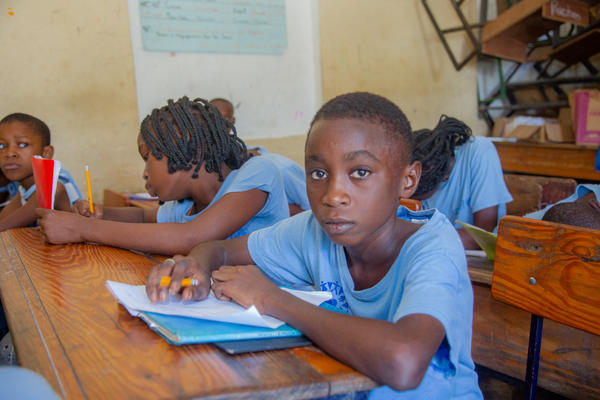
"The insecurity has caused lasting damage; it’s one of the reasons that my parents no longer have jobs to pay for my schooling.” -A boy out of school, 12-17 years old, Artibonite
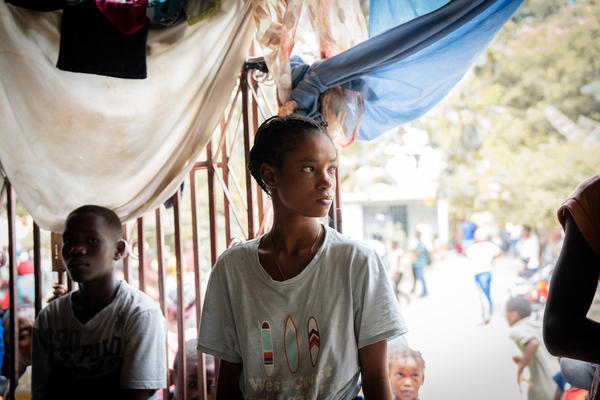
"When the girls in our community are left without supervision, older people take advantage of them by giving them something to eat or other things, when they become pregnant their families send them out of the house to find who impregnated them." -Out of school girls, 8-11 years old, Artibonite
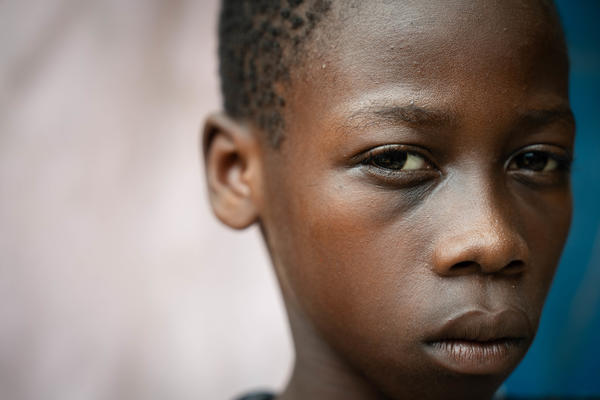
"My father doesn’t take care [of me], my mother can’t take care of me by herself.” -Out of school boy, 12-17 years old, Artibonite
There are many barriers for children and families in Haiti confront when accessing education, particularly for those internally displaced. Around 93% of schools had welcomed at least 1 displaced student. However, displaced students reported facing many difficulties in school – financial troubles, trauma, falling behind in classes and other issues – and a good portion of schools (29%) had little to no adaptation measures in place to integrate them. What’s more, for many families, the cost of school is prohibitive. All of these factors result in children being out of school.
Among the top reasons children expressed for not being in school were lack of financial resources including the cost of school fees, absence, death or abandonment of parents and risk of gender-based violence.
Teacher’s challenges and protection risks at school
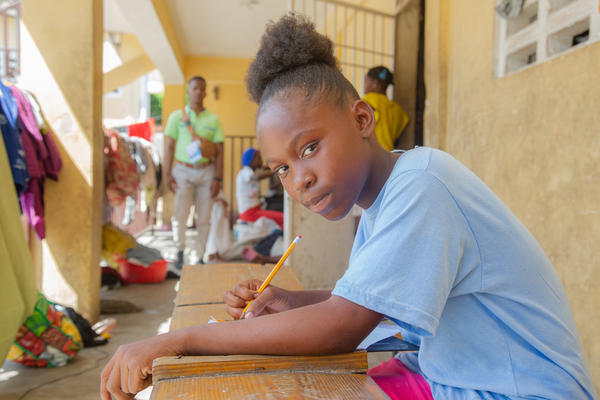
"The school is a good school however we can spend one month without a teacher. We come without being able to find a teacher.” -Girls in school, 12-17 years old, Artibonite
According to the assessment, 37% of schools have teachers who are displaced themselves, and 22% of teachers were regularly absent from school for reasons relating to security, low salaries, distance from school, family problems, displacement due to the conflict, and more. Teachers cited a need for several types of training – pedagogy, emergency situations, psychological support for students – learning material, food assistance, better teaching conditions and salaries.
Protection risks on the way to school
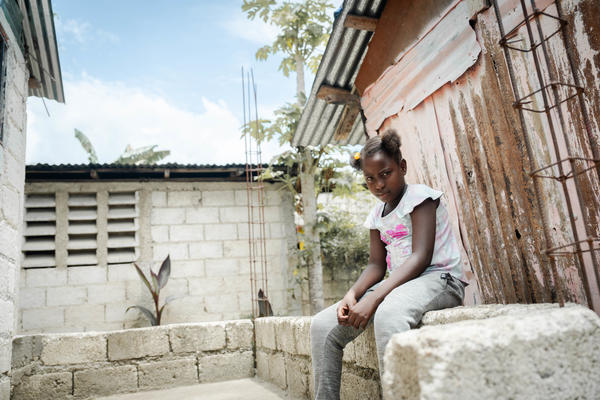
"The accidents are frequent; they make me scared. Because of the insecurity, I think often of things that are going to happen to me… I am scared that the bandits will come to our city and do us harm.” -Girl in school, 12-17 years old, Artibonite
“We are living in a dangerous country, we don’t know where a stray bullet may come from.” -Girl in school, 12-17 years old, West
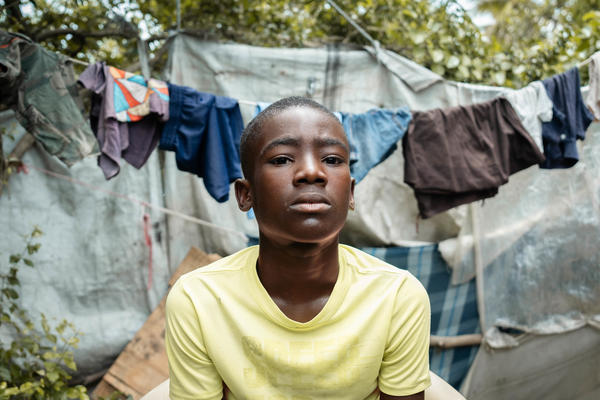
"It happens sometimes that I hear shots and I have to go back to my house, we are sometimes very scared and we have to run a lot.” -Boys in school, 12-17 years old, Artibonite
Both boys and girls expressed that they encounter similar types of risks on the way to school, primarily from: the presence of armed groups, psychological violence, intimidation or discrimination, road accidents and natural disasters. Some steps are being taken to reduce risks for children on the way to school, including being accompanied by parents.
Mental health of students
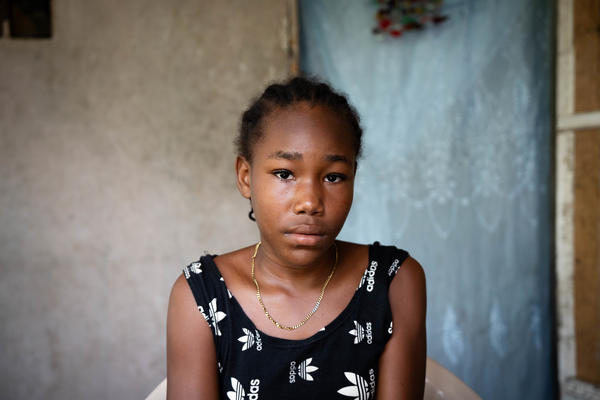
"We don’t have anyone to confide in, and they don’t believe us anyway, they often say that children are never right about an adult, sometimes we explain what people do to us and they say we are lying.” -Girls out of school, 12-17 years old, Artibonite
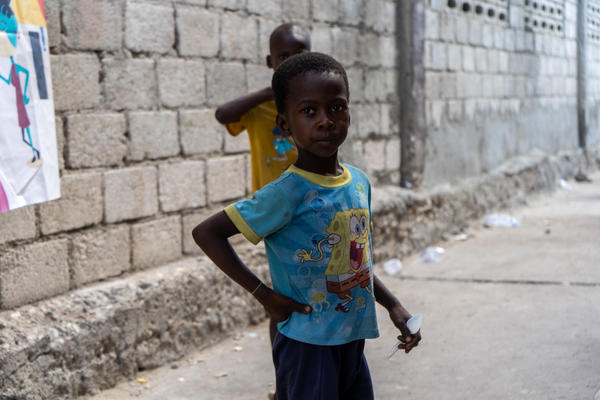
"I am ashamed to speak to my teacher because he has the habit of whipping me.” -Boys in school, 8-11 years old, West
59% of schools indicated they have at least one student who is suffering psychologically since the start of the school year from either nightmares, extreme fatigue, enduring sadness, violent behavior or isolation. The main reasons for psychological disturbances were due to family separation, nightmares from bad memories and lack of food. Many schools have awareness programs for students, particularly focused on gender-based violence and many collaborate with health services to address students’ needs. At the same time, students reported that they did not have an adult to turn to for help when facing difficult problems, and many experienced mistreatment from teachers in school.
Going forward
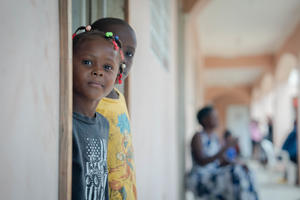
"We never had this kind of conversation with anyone, we are very happen to know at least some people will have more information about what we are living." -Boys in school, 12-17 years old, Artibonite
The findings of needs assessment and reports from children will inform programmatic recommendations for Haiti’s education sector. Among the emerging proposals is to strengthen the capacity of schools to welcome and integrate displaced students, putting in place alternative or non-formal education opportunities for those outside of the system to access more easily. Securing school routes, protecting humanitarian corridors in the country and rolling out teacher training on managing protection risks are also included. Overall, it is critical to recognize the structural interconnectedness of humanitarian crises – climate change, conflict and forced displacement – to better prepare for and respond to these emergencies and meet the needs of children.
Read more: Présentation au HCT
Quotes are translated from French.
Banner photo: © UNICEF/UNI601237/Le Lijour
Photos from top: © UNICEF/UNI653419/Rouzier, UNICEF/UNI601140/Le Lijour, UNICEF/UNI601237/Le Lijour, UNICEF/UNI653421/Rouzier, UNICEF/UNI601256/Le Lijour, UNICEF/UNI601236/Le Lijour, UNICEF/UNI601137/Le Lijour, UNICEF/UNI662632/Erol, UNICEF/UNI582658/Le Lijour
